


If your doctor(s) have already ruled out many of the potential non-genetic causes of your peripheral neuropathy, and you are now immersed in the process of identifying a culprit gene, there are a few things you may want to know. The type and scope of gene sequencing is determined by your current symptoms and health history. If, for example, neuropathy runs in your family with several members displaying similar symptoms, your physician may already have an insight as to the likely culprit gene. In this case, your doctor may suggest a panel test in which only a select group of genes are sequenced, and this sequencing is restricted largely to coding regions (exons) of the genes. If panel sequencing does not reveal a pathogenic gene variant responsible for your symptoms, your doctor may elect to run other panels, or may choose whole genome sequencing (WGS) in which all of your genes are sequenced, again with results limited largely to coding regions. Something to bear in mind is that different sequencing labs can produce different reports as each lab has a different policy regarding whether patient should be notified of a mutated gene, depending on whether there is a current treatment available, and/or whether the mutation only potentially might produce patient’s symptoms (“variant of uncertain significance”).
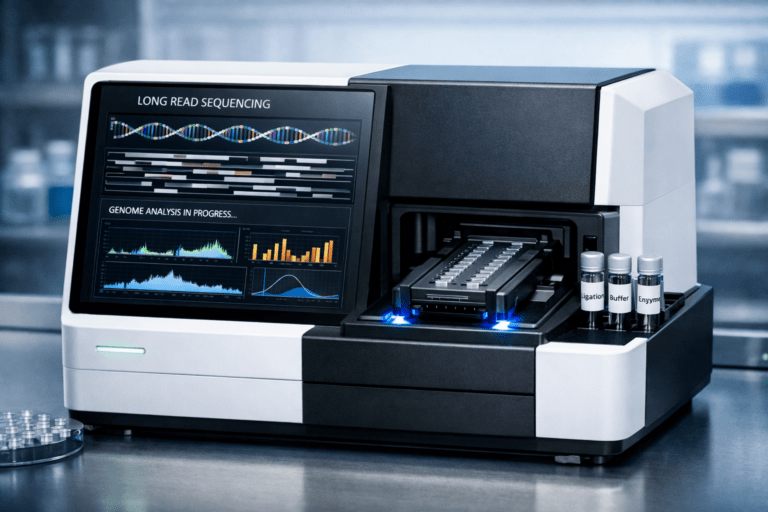
The most advanced and thorough gene sequencing is referred to as “long-read DNA sequencing” in which the both the coding and non-coding regions are sequenced. This includes not only exons, but also entire introns, regulatory regions and structural mutations (insertions/deletions, inversions and the like). Long-read sequencing is mostly conducted in research labs at university medical centers, and usually the patient has access by being enrolled in a study and/or referred by their local geneticist or neurologist.
At the time of this writing, gene therapy has been approved by the FDA for a handful of genetic diseases, such as sickle cell anemia, spinal muscular atrophy, hereditary hearing loss, among others. Efforts are underway to develop gene therapy for peripheral neuropathy, but because there are many causes of neuropathy, emphasis is on the more common genetic causes such as PMP22 gene duplication which causes CMT1A.
